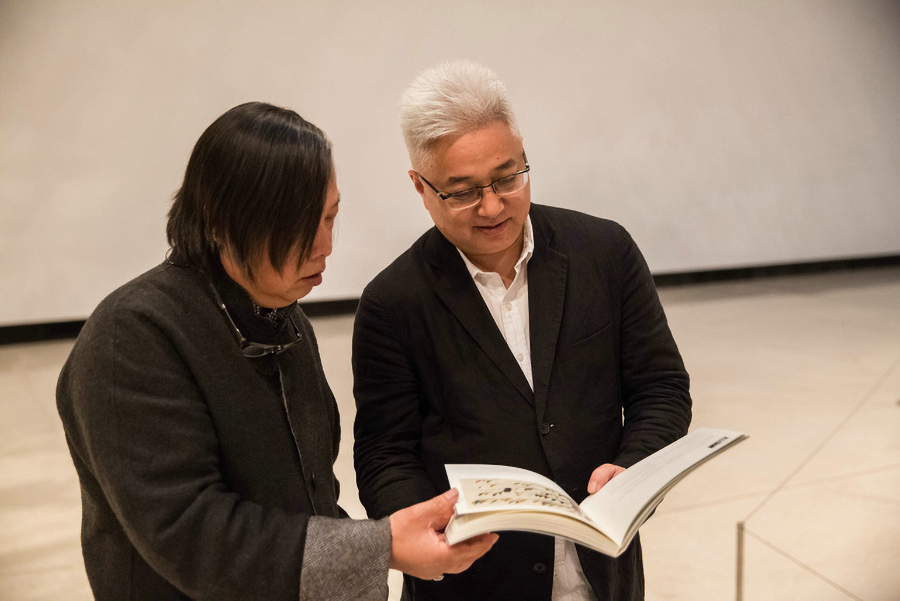
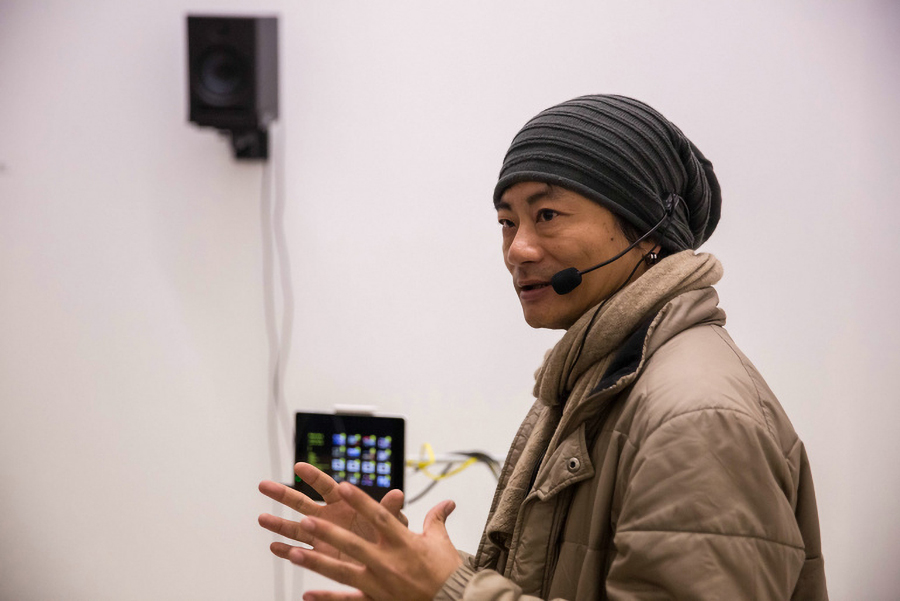
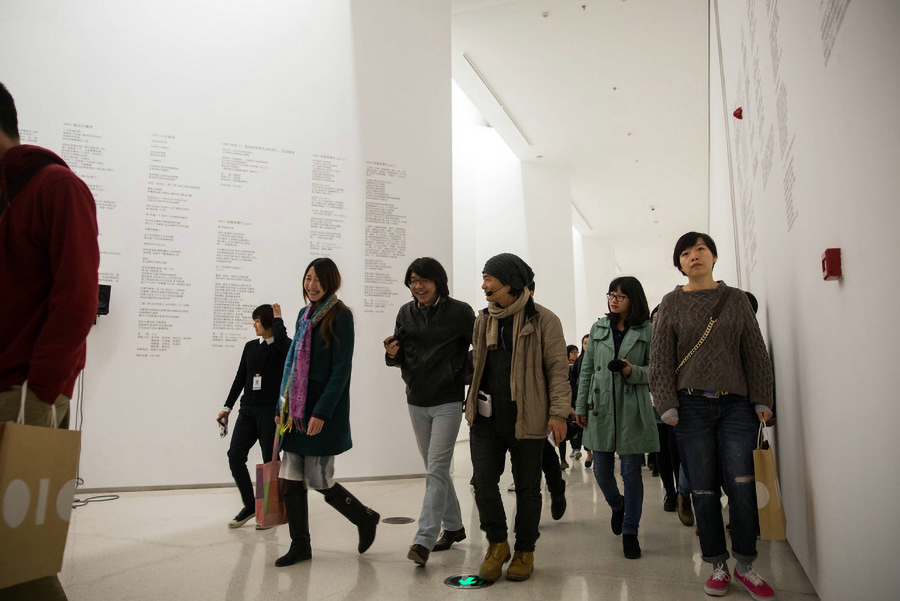
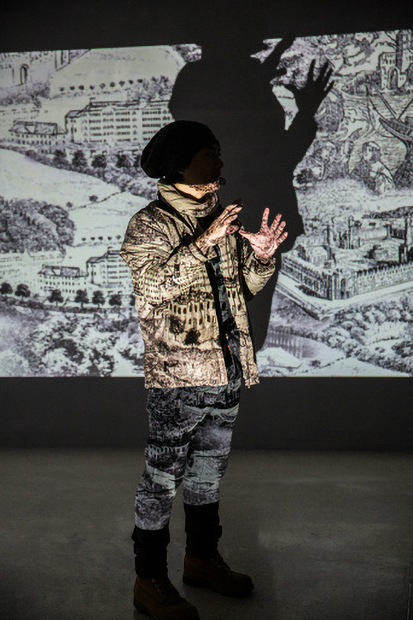
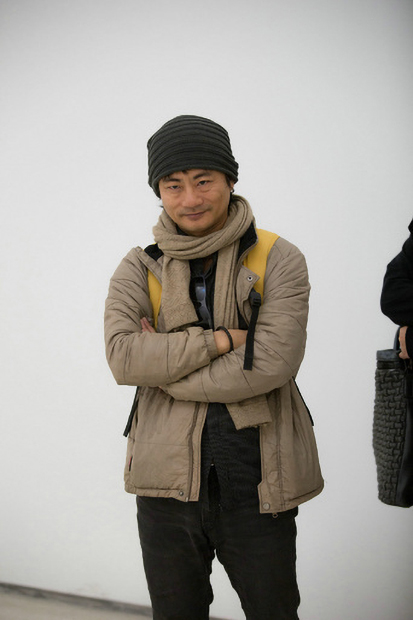
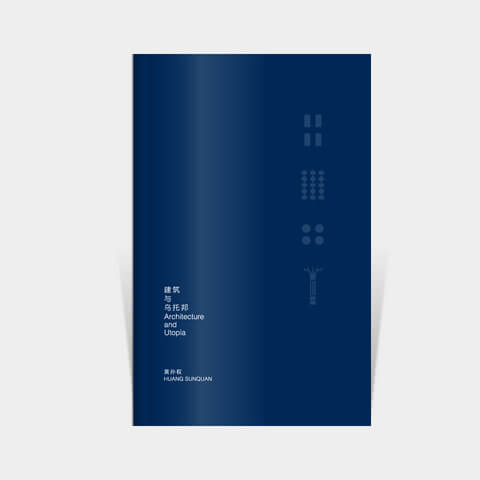
臺灣學者,前《破報》主編黃孫權和我及美術館團隊將一同發起地方敘事與社會性空間系列研究和展示計劃。
此計劃的工作目標和構建中的課題,將討論,在目前普遍的藝術與倫理、娛樂和政治的混亂合謀中,如何重新將藝術考慮為變動的媒介;如何在不同的話語和社會實踐空間中,分析藝術邊際和定位思考,如何通過田野打通日常生活和社會思想層面的行動,由此計劃喚起藝術的現實能力的討論;另一方面,通過對這些不同於當前流行中的藝術案例的觀察和討論,來辨析,在今天,是否可能重新刷新藝術的能動力,是否可以直接去做藝術的行動而不僅僅囿於某種藝術界限的自律之中創作;藝術如何與周圍及現實產生更多的連結性生產。
這個項目的首個計劃將由黃孫權這些年思考和執行中的四個項目的展示和討論開始,並在今後兩至三年時間內,提出以"地方敘事與社會性空間"為研究和展示的系列計劃。
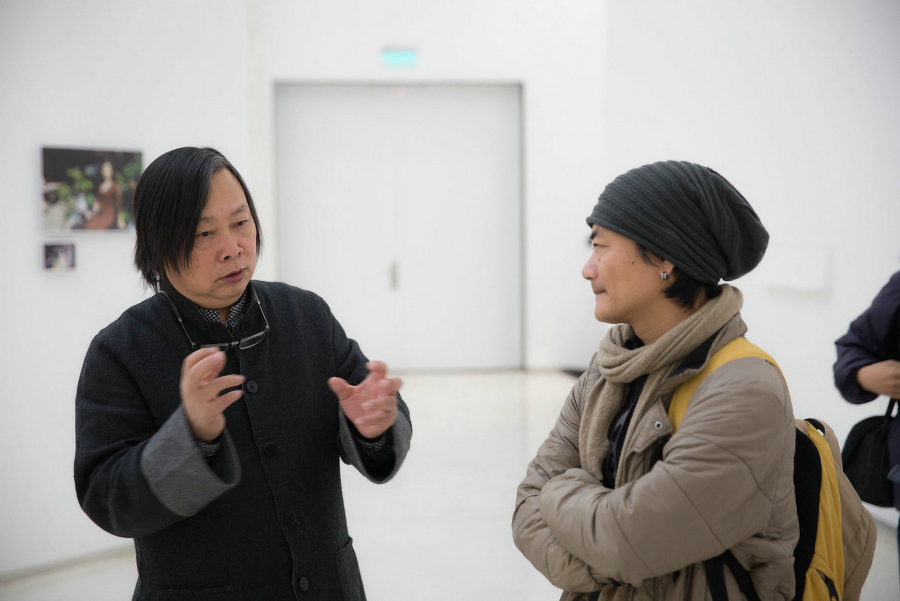
在黃孫權的工作中,作為田野者,亦是思考者和行動者。田野的目的是遍尋、羅列事物狀態之生成,在此成為對現實的歷史狀態的深讀者;亦是收集、整理和思考所處問題的種種潛在脈絡,並在一種深入的展開中,尋找歷史和現實的迴響;同時,成為合格田野者時的狀態就是思想者,不斷辨析歷史和現實的話語陷阱,凝聚批判和思考成為行動力,如此面對不可知的界面,自己成為行動和改變的主體。
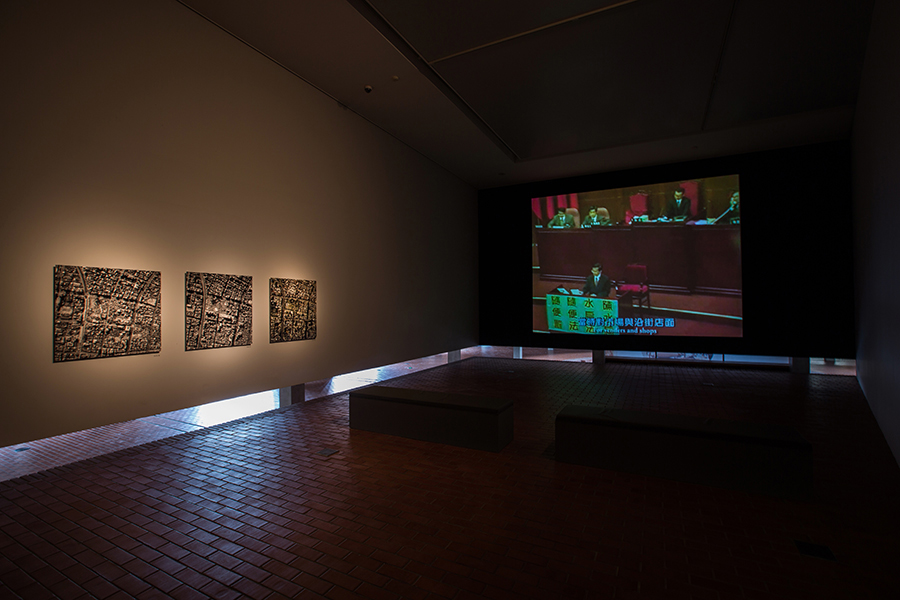
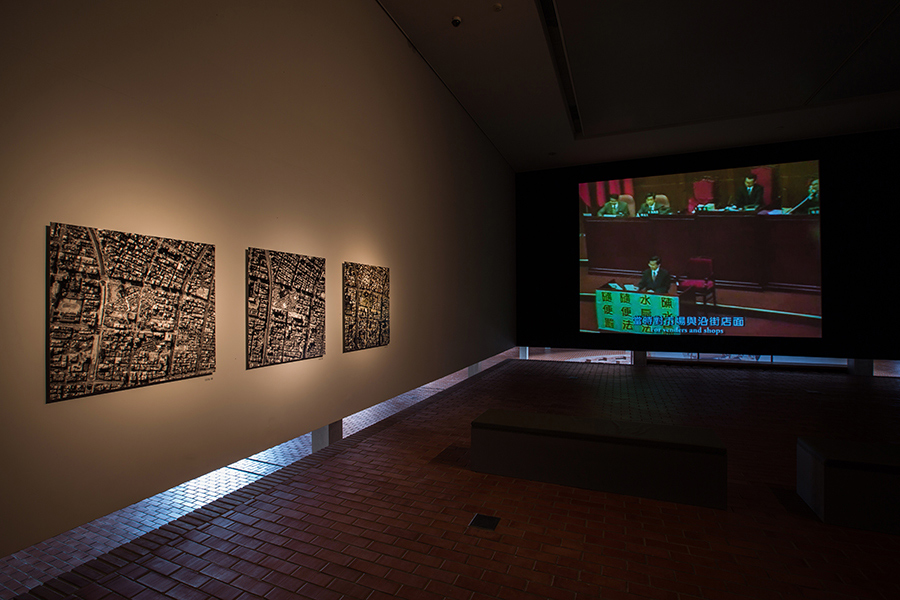
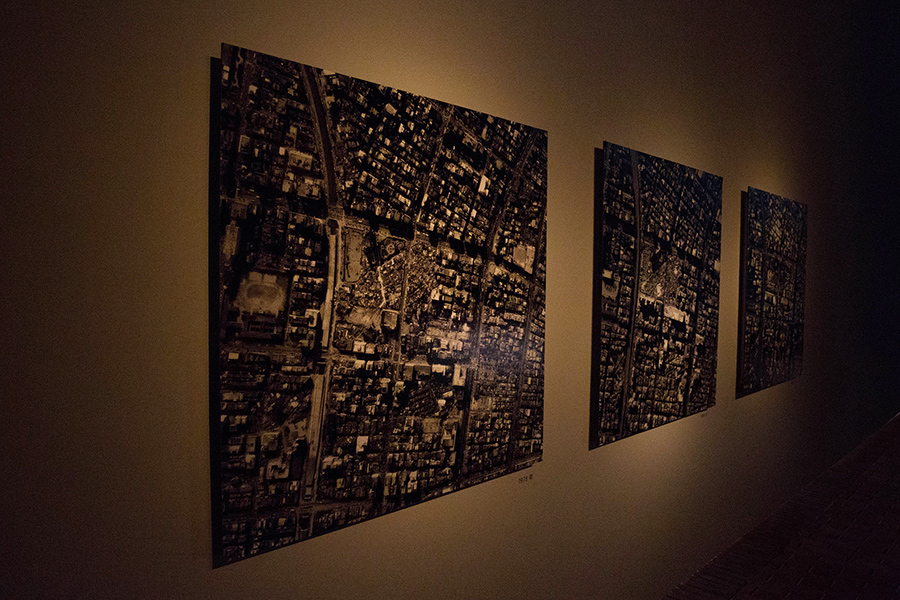
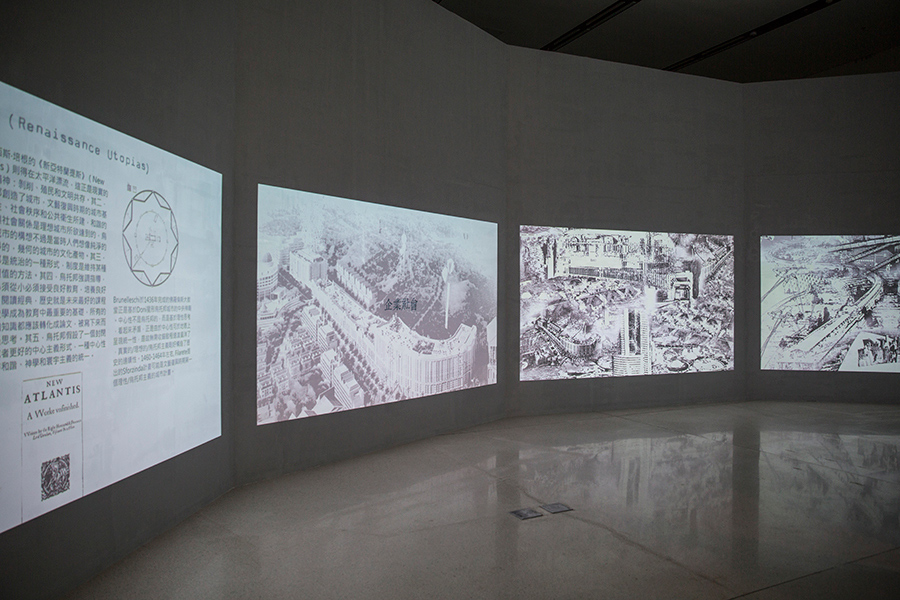
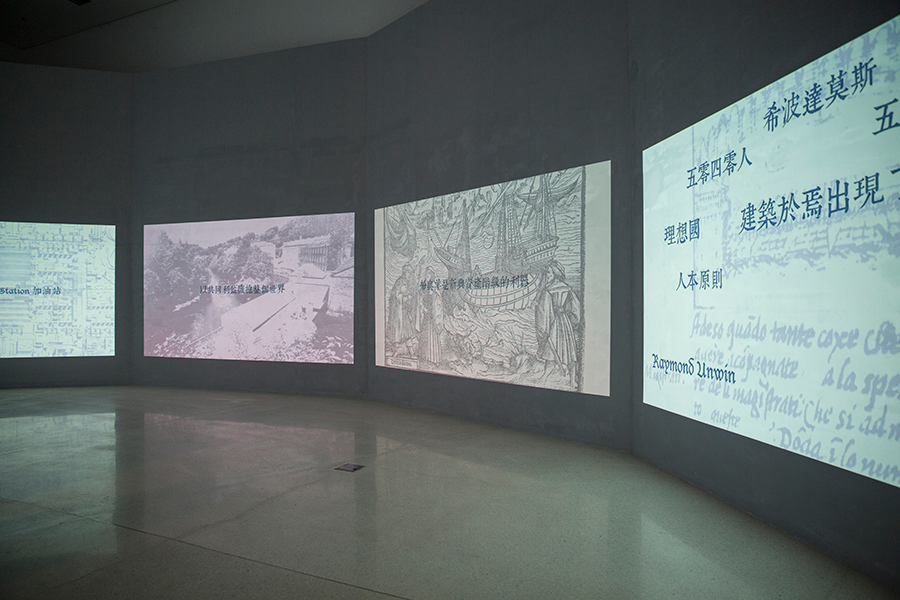
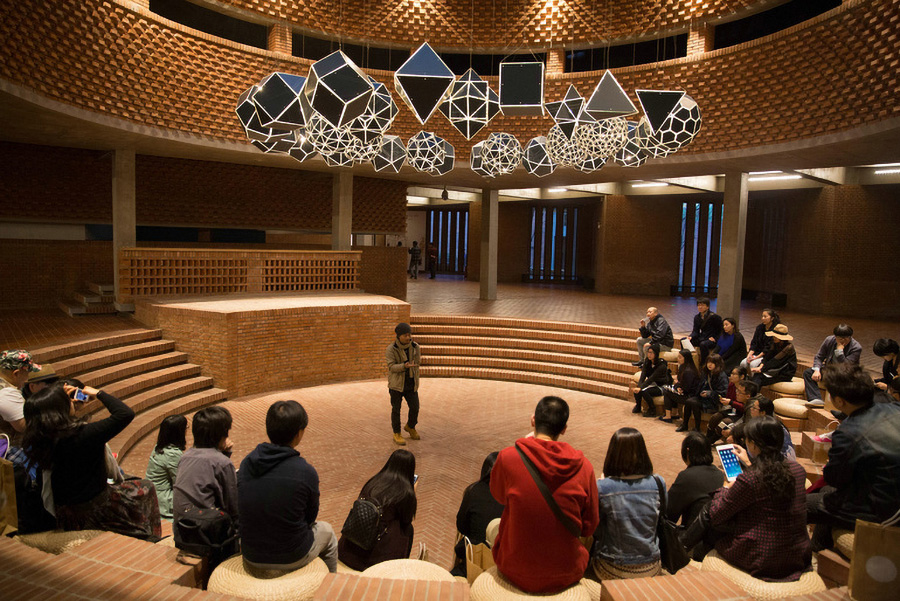
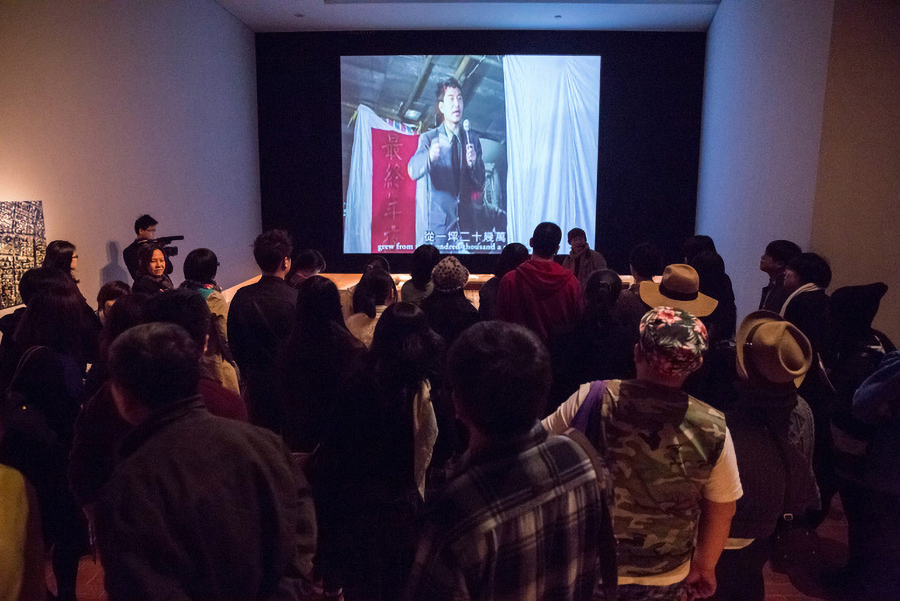
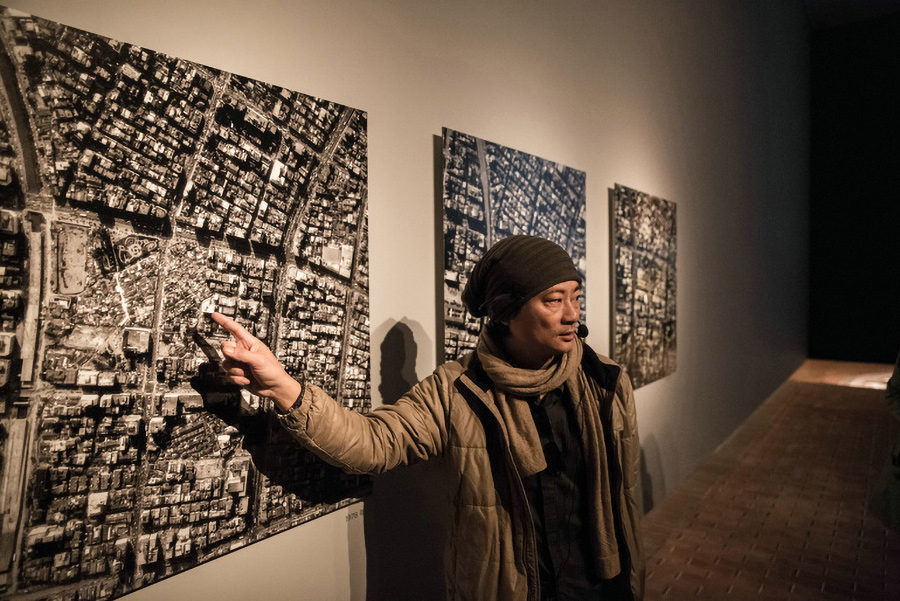
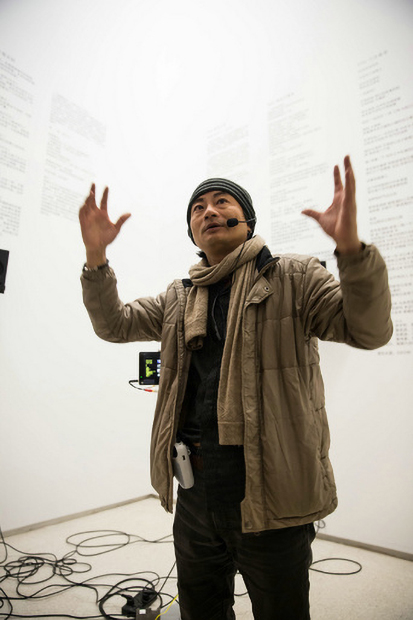
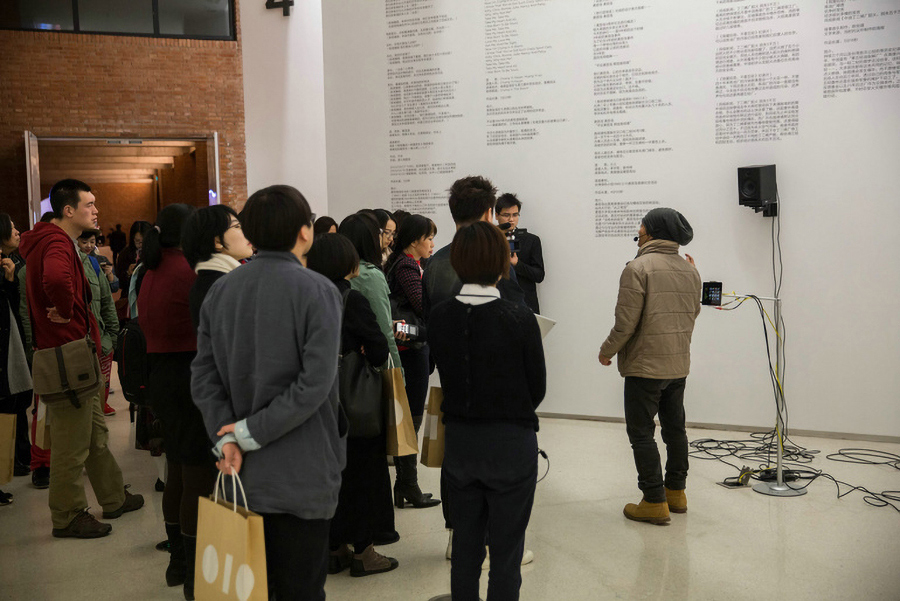
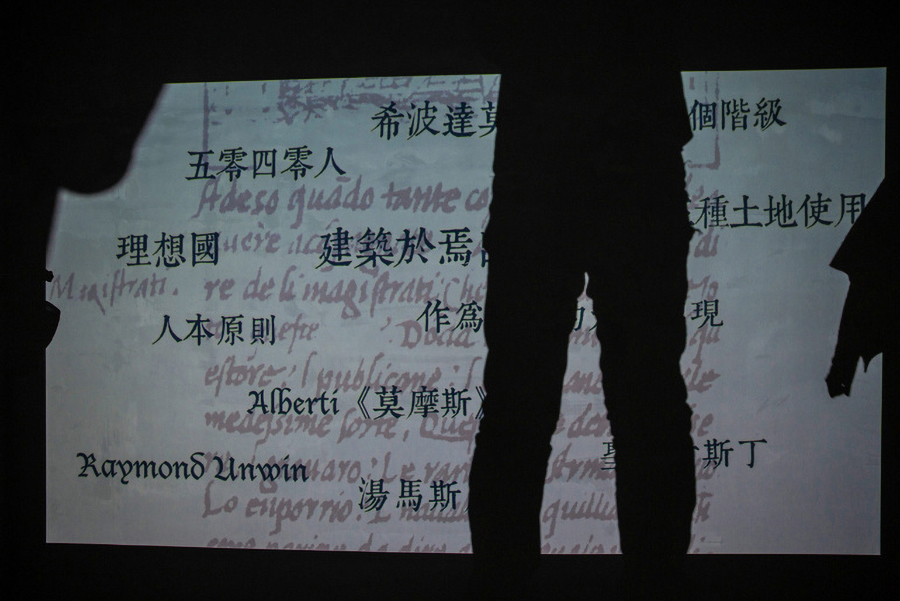
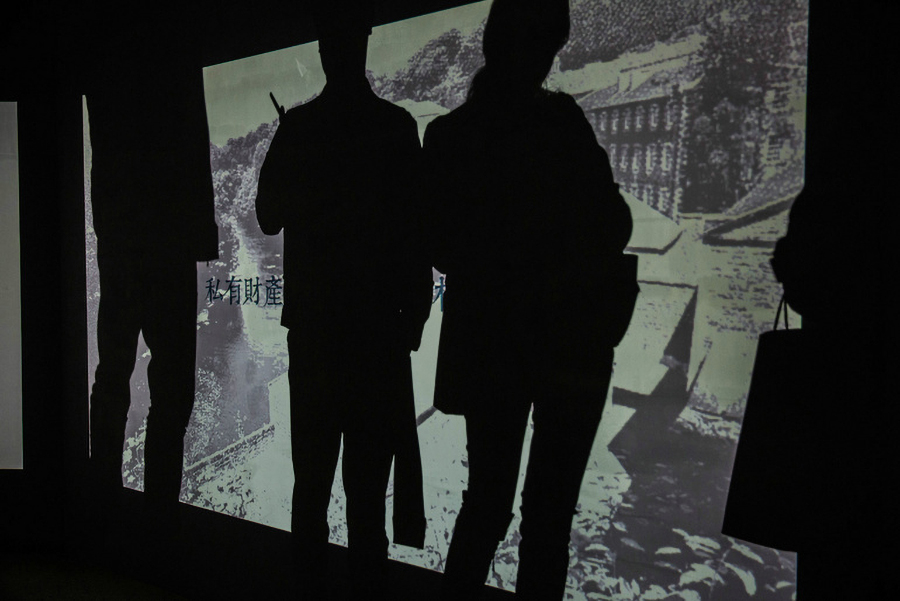
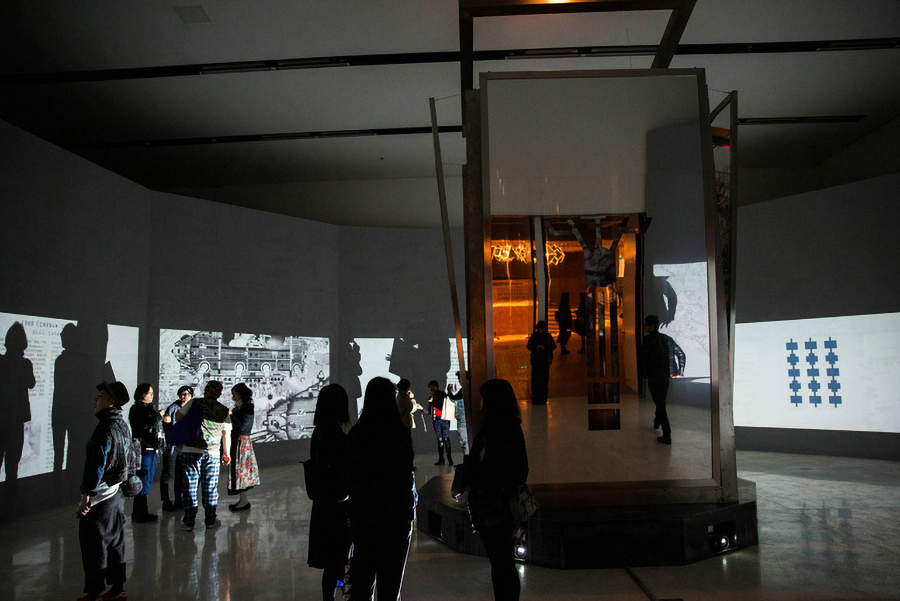
在其工作中,也看到這樣的線索:思考如何建構我們的藝術目的論和行動力,在藝術、建築、都市研究、媒介研究的跨界中提供可能的思想資源與學科的建造;促成訓練、鍛鍊與教育的同時發生,也以此促動新的當代藝術策展的可能性,使藝術在今天面對所處遇和共時性問題、不同的社會層面,有創造性的剖析,並對項目的相關"地點"帶來的影響。"無地之愛——黃孫權個展"正在某種程度上呈現他的思考和工作的不同面向。
這個展覽並非簡單的關於創作的展示,而是方法的討論和行動的建立。世界上總是發生着各種不同的藝術創作實踐。在這個計劃中,如何將不同於主流,但處於各種思想前沿的人們的思考和行動重新聚集在一起,建構可能的、新的藝術與社會的界面,是我們在項目的展開中所期待的。
Huang Sunquan, Taiwan scholar and former chief editor of Pots Weekly, will launch the Local Narration and Societal Space study and exhibition series projects together with me and the art museum team. The work objectives and the constructing subjects will discuss, in the universal chaotic conspiracy of art with ethics, entertainment and politics at present, how to turn art concern into changing media again; how to analyze margin of art and positioning thinking in different discourses and societal practice spaces; how to arouse discussion about the realistic capability of art with this project through connecting daily life and social ideological actions with fieldwork; on the other hand, to analyze whether it's possible to refresh the initiative power of art today, and whether we could directly do artistic action rather than merely limited in some sort of autonomy of art; meanwhile, how could art generate more related production associated with the surrounding and reality.
The first plan in this project will start from the exhibition and discussion of four projects which Huang Sunquan has been thinking about and implementing these years; moreover, we plan to propose series of projects studying and showing Local Narration and Societal Space in the upcoming two to three years.
Huang Sunquan is working as a fieldworker, as well as thinker and activist. The purpose of fieldwork is to look for and list the forming of things and situations, thus to become a deep reader of realistic historical situations; moreover, it is also to collect, sort out and think about various potential context of problems, and to look for historical and realistic echo in a thorough launching; at the same time, a qualified fieldworker is a thinker, who constantly analyze and differentiate discourse traps in history and reality, and get mobility in critique and deliberation, thus to face the unknown world and become the subject of action and change.
In other works, we also see such clues: thinking about how to construct our art teleology and power of action, to provide possible thinking resources for disciplines construction in the cross-field work of art, architecture, urban study and media study; thus to promote training, practicing and education, meanwhile to promote the new possibilities in contemporary art curatorship; so as to make art have creative analysis when facing today's environment and synchronic problems on different "social" levels, and influence related "site" of the projects.
U-topophilia: HUANG Sunquan's Solo Exhibition presents different aspects in Huang's thinking and working to a certain extent, and it is not simply a show of art creation, but rather a discussion of methods and establishment of action.
Benjamin once said, in ancient society art created a new perception. There are always different artistic creation and practice happening unceasingly around the world. In the project Local Narration and Societal Space, what we are looking forward to while launching the project is how to re-gather the thinking and action of those who are out of the main-stream yet have been advanced in thought together, in order to construct possible and new interface between art and society.
Based on such discussion, presentation and publications, can art generate meaning towards the reality, the society, the community and the people? I particularly hope it will emerge from the names we mentioned and the things we listed in the project, gradually but steadily, generate new possibilities.