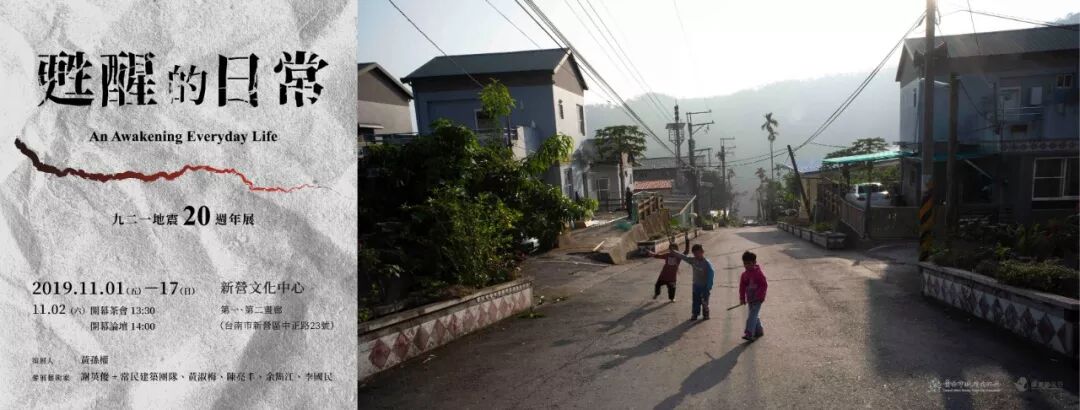
策展人黃孫權在九二一地震二十週年之際,回顧重建逾四十個案例,展示社會性建築如何作為社會運動的中介,由地方不同條件資源所開展的路徑。
二十年前夜半的斷層錯動震撼全島。夢魘去得快,甦醒卻來得漫長。災難帶來團結與生機,建築成為重建的首要工作,居住、教育、老人看護與環境脆弱成為共同命題。重建不只是修復傾頹的家屋,而是創造更好的棲居。
九二一後曾出現嶄新的三種建築力量回應上述問題:謝英俊建築師為代表的「自立營造系統」,台大城鄉所基金會劉可強教授為代表的「參與式規劃設計」,以及建築專業界倡議的「新校園建築合作社」(後改名建改社)——以「最有利標」取代「最低標」,讓災區生長出許多美麗的校園。
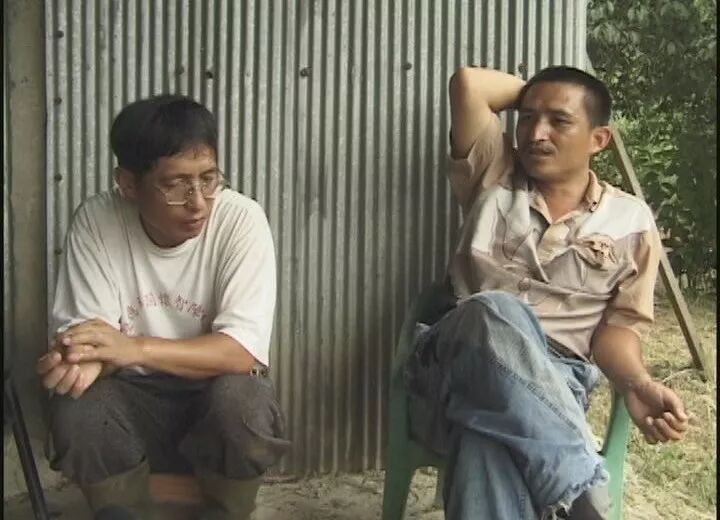
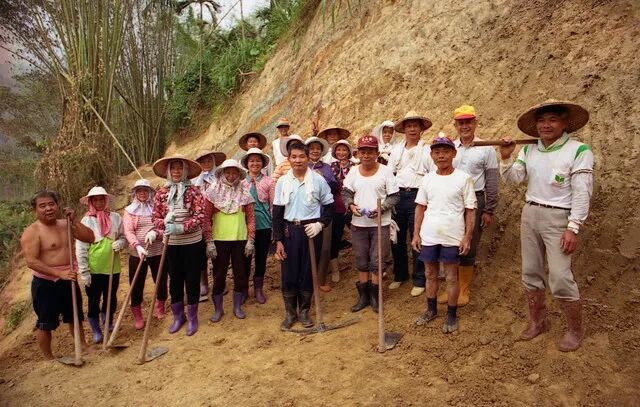
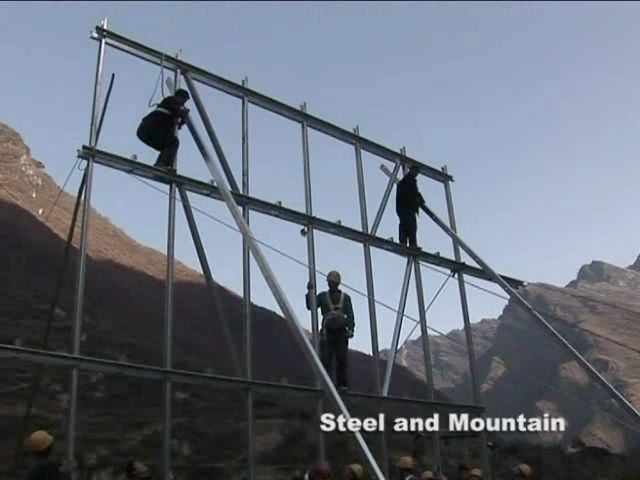
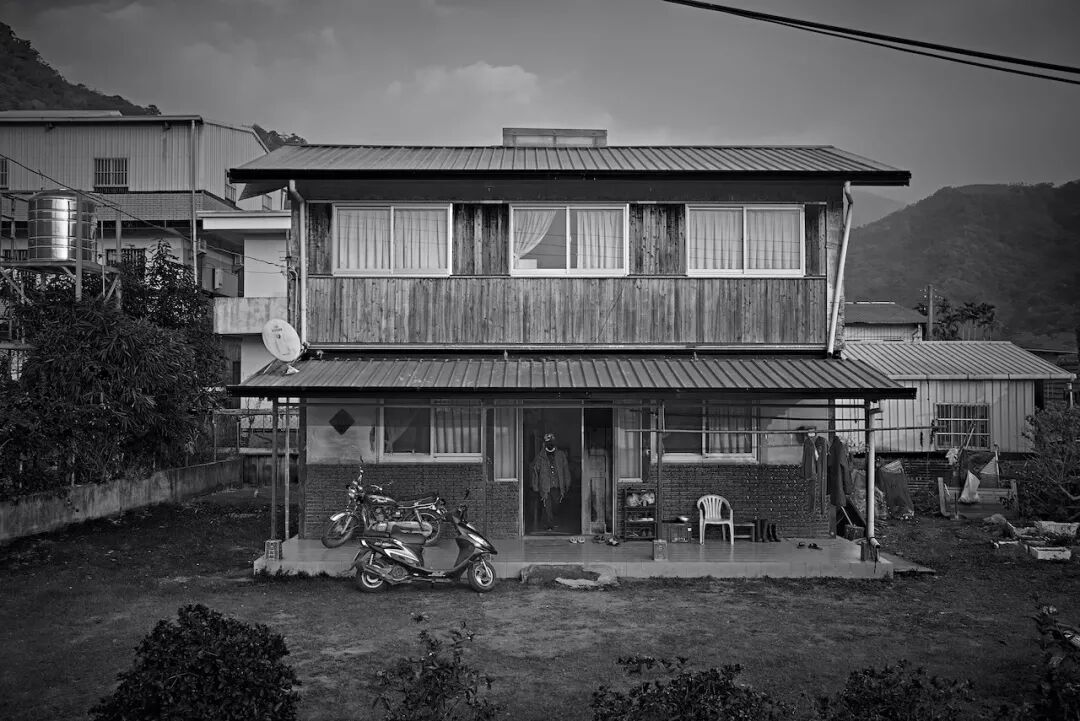
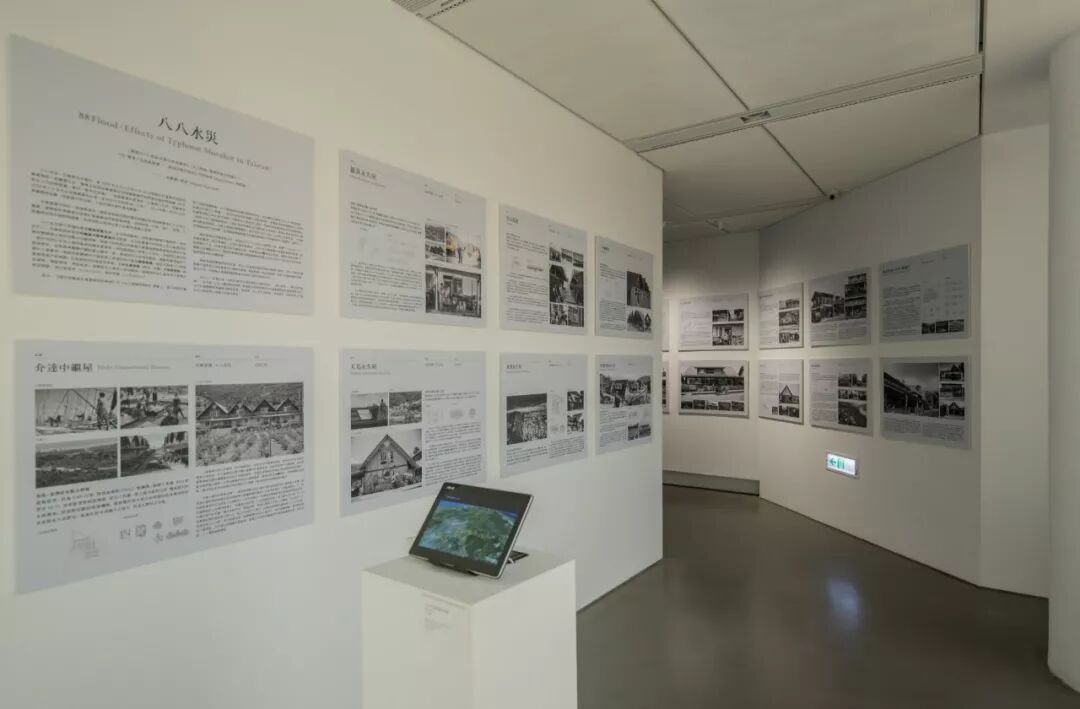
展覽包含田野團隊橫跨數年回訪成果的文獻多媒體展、攝影師李國民造訪數個村落的影像深描,新的錄像藝術作品《甦醒的日常》,以及紀錄片放映:黃淑梅《在中寮相遇》、陳亮丰《三叉坑》、余雋江威尼斯建築雙年展作品《川震重建》(Steel and Mountain)。完整策展論述見 article 15597。
Curated by Huang Sun-Quan to mark the 20th anniversary of the 1999 Jiji (921) Earthquake. The exhibition revisits over forty reconstruction cases, showing how socially engaged architecture can act as a medium for social movement, with paths shaped by each locale's distinct conditions and resources.
In response to the earthquake's aftermath, three new architectural forces emerged in Taiwan: Hsieh Ying-Chun's "Owner-Builder System" using lightweight steel and participatory labor (which rebuilt the Thao tribal village and many homes across central Taiwan); the participatory planning practice led by Prof. Liu Ko-Chiang at NTU's Building & Planning Foundation (Lalu Island, Guoxing old streets, Shoucheng community center, Yuchi village washhouses); and the New Campus Architecture Cooperative initiated by architects, which replaced the lowest-bid procurement system with most-advantageous-bid, letting beautiful schools grow out of the disaster zone.
The exhibition combines a multi-year field-team archive, photographer Lee Kuo-Min's village portraits, the new video work An Awakening Everyday Life, and screenings of three documentaries: Huang Shu-Mei's Encounter at Chongliao, Chen Liang-Feng's Sanchakeng, and Yu Jun-Jiang's Steel and Mountain (Venice Biennale of Architecture). Full curatorial essay: article 15597.